
Method
Technical decisions are made on measurements
Bioremediation works when the site is characterised before anything starts and the work is measured as it proceeds. What follows is the chain IEBCO has used on its executed projects: survey and sampling, process design, material supply, execution and monitoring.
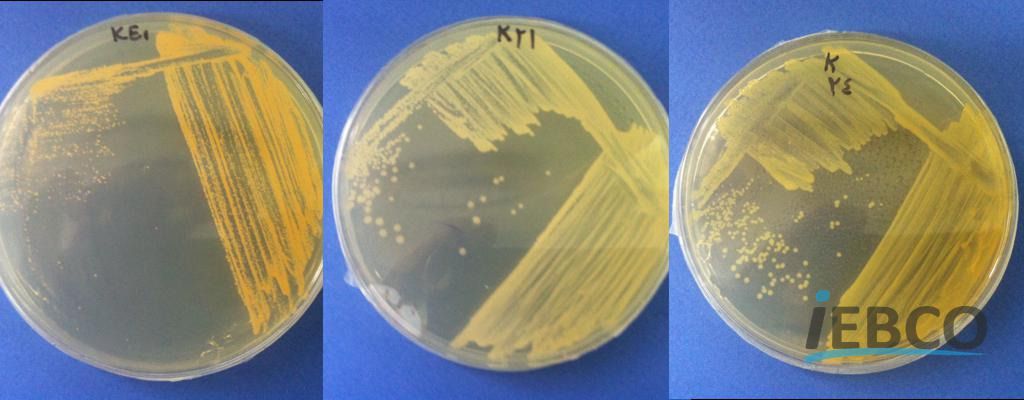
Capability
What we can take on technically
This is the technical ground the company works across. How deep each activity goes on a given job follows the site conditions and the contracted scope.
- Characterisation of hydrocarbon contamination
- Site survey and sampling
- Analysis of hydrocarbon contamination
- Bioremediation process design
- Development of biological materials and products
- Performance monitoring of remediation operations
- Design of petroleum waste management solutions
- Carrying laboratory work into pilot and industrial execution
The chain
From site visit to monitoring
This sequence is the technical chain recorded in the documentation for the Samawah, Iraq project, and it is the one used on comparable work.
-
Site visit
-
Sampling
-
Laboratory analysis
-
Process design
-
Material supply
-
Field execution
-
Technical monitoring
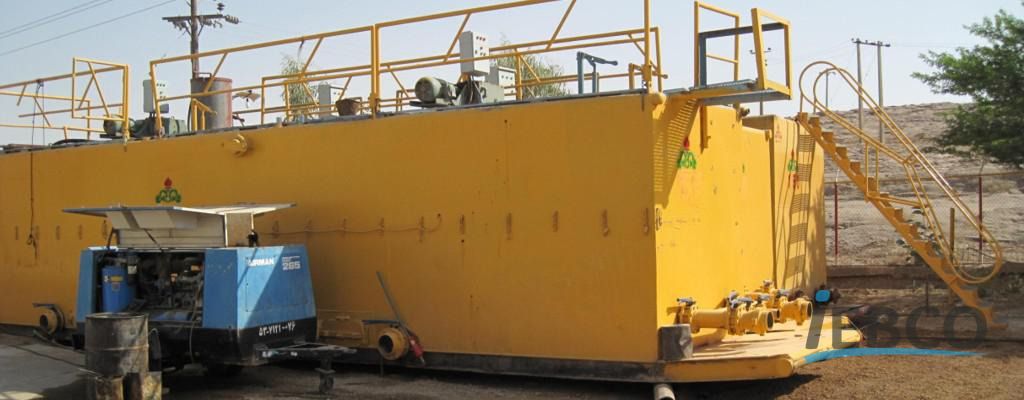
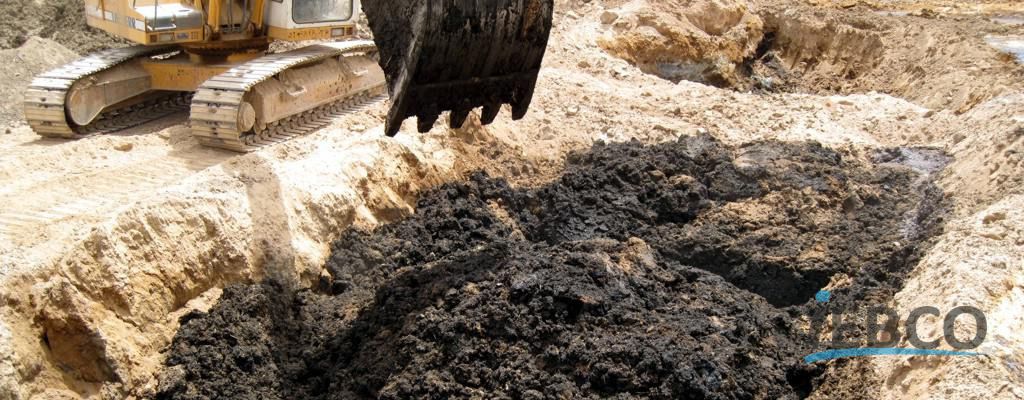
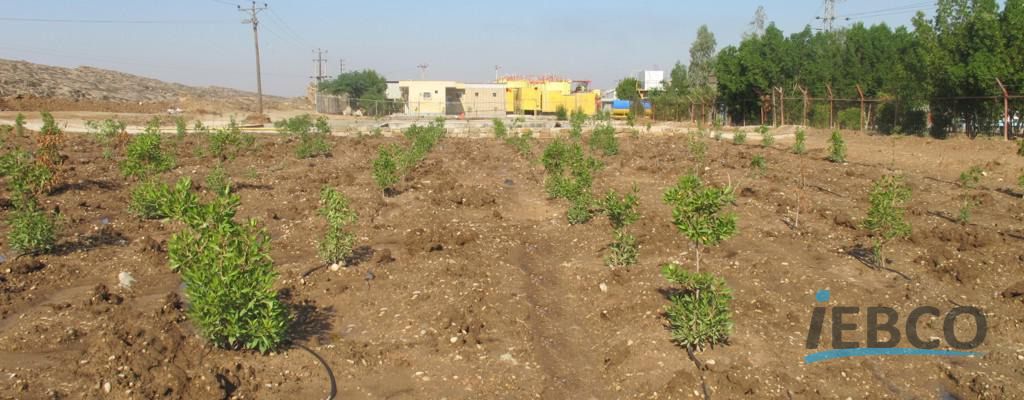
On the Samawah project, TPH, PAH and elemental composition were examined in samples from the waste pit and the flare pit. Those data defined the state of the contamination and drove the plan for the operation — they describe the starting condition, not the outcome.
What goes to site
The equipment and the biological agent are both ours
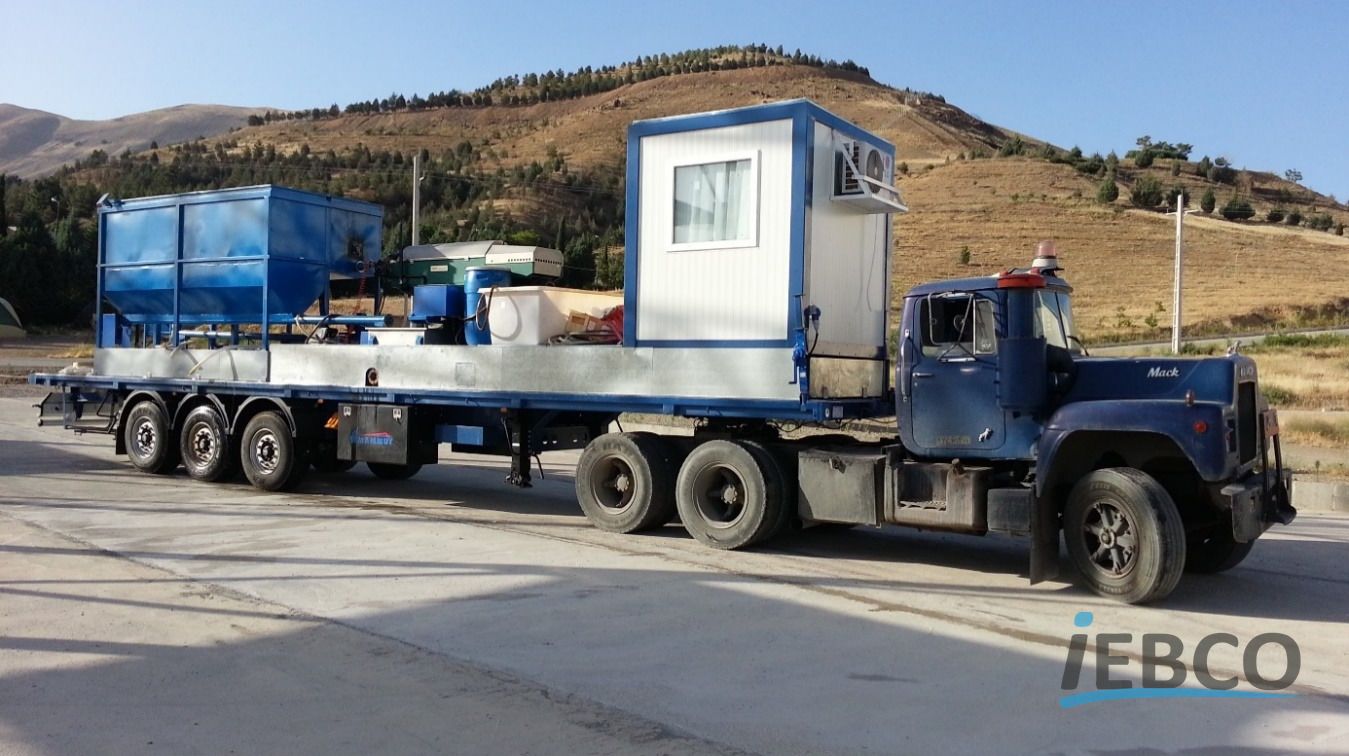
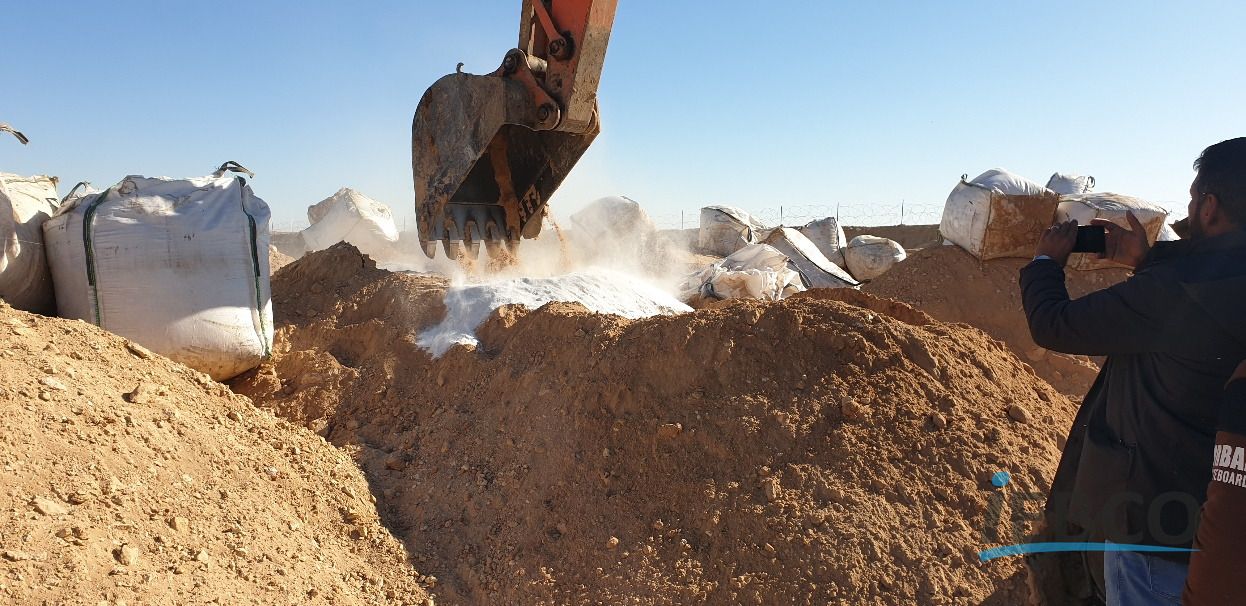
Executing on the client’s own site takes two things: equipment that can be moved to the location, and a biological agent supplied for the conditions of that particular job. Both belong to the company — neither has to be bought in from a third party.
Our own facilities
IEBCO’s portable laboratory
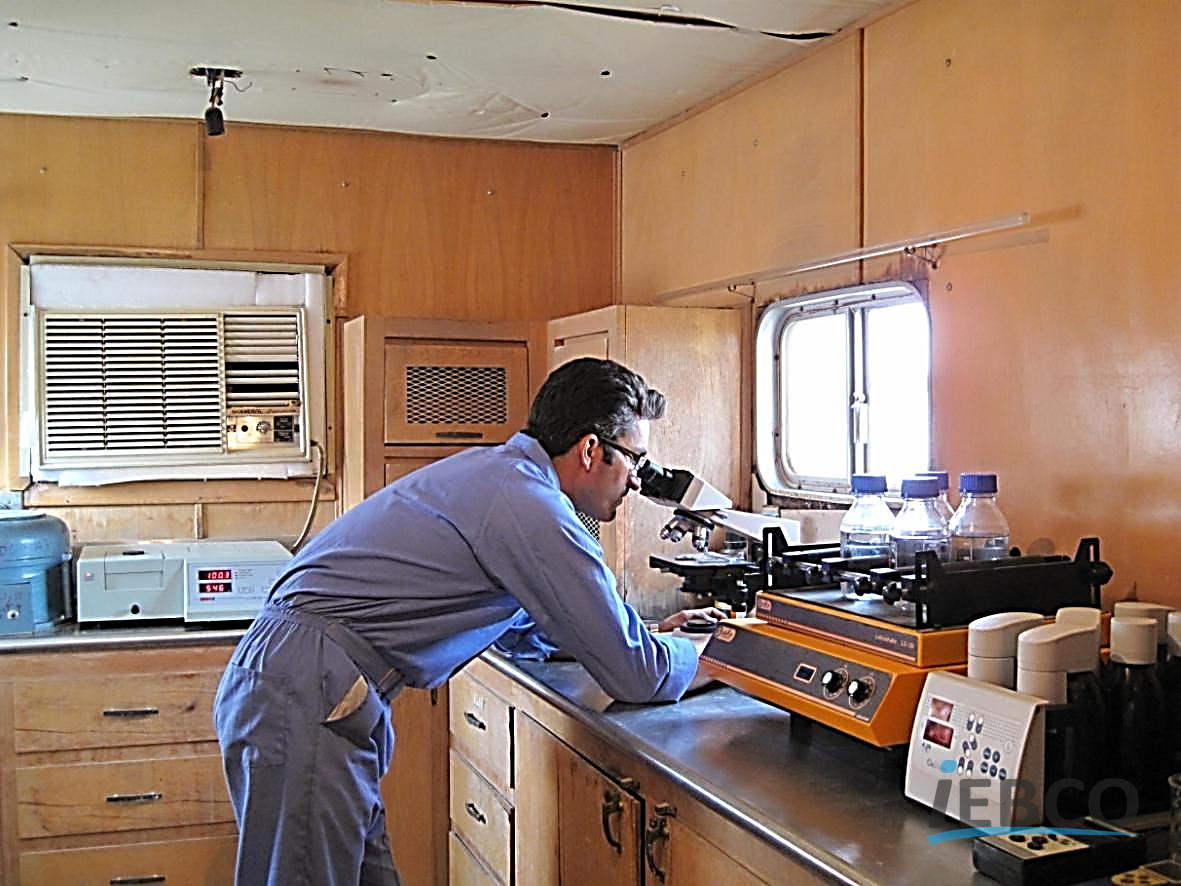
The company keeps a portable laboratory that can be set up close to where the work is happening. Its job is to support part of the field assessment and monitoring, so the gap between taking a sample and making a decision on site stays short.
- Set up near the operation, not days away from it
- Supports part of the initial assessment and the periodic monitoring
- Shortens the distance between sampling and an execution decision
Analytical methods on the project
What was used on the job, not what we own
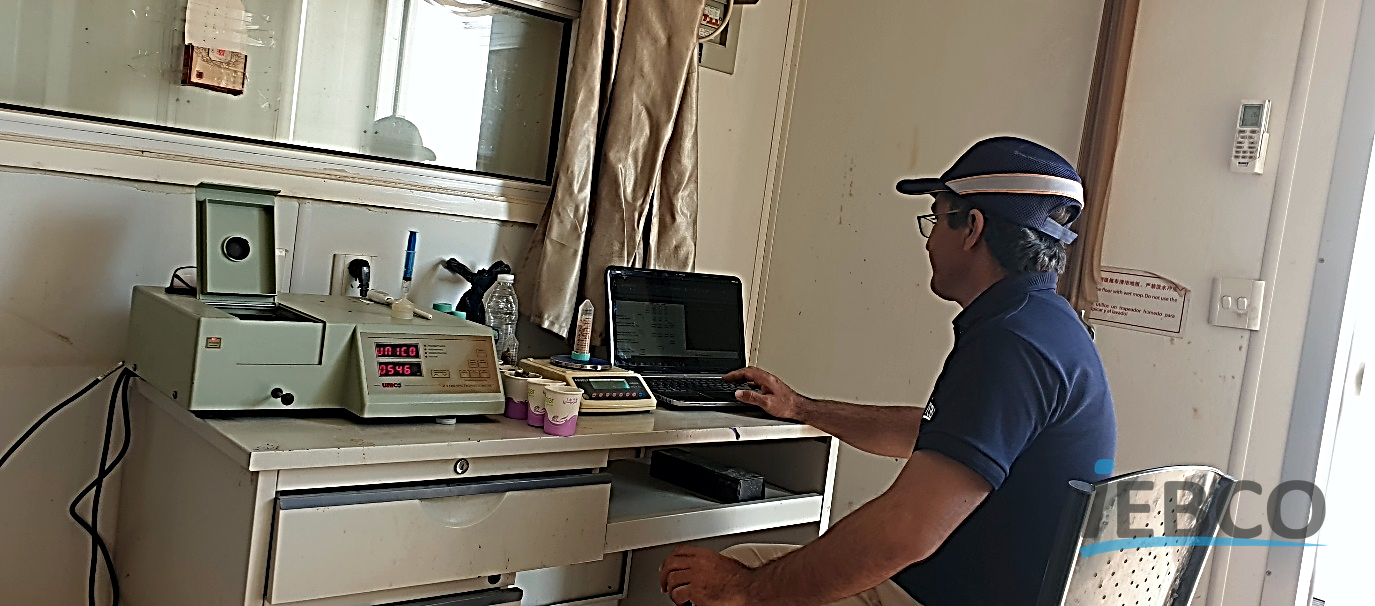
The documentation for the Samawah, Iraq project records these analytical methods. They are kept apart from the company’s own facilities because that is exactly what they are: analytical methods used on one project.
-
ICP-MS
Elemental analysis of the samples
-
GC-MS
Determination of TPH and PAH
Technology development
From the laboratory to industrial production
Development here is only finished when the material leaves the laboratory and is consumed on a real job. The records below are points on that path: industrial production of the microbial powder, and BioOSD’s development from laboratory and semi-industrial samples to its first sale.
-
Developed in the laboratory
Isolation and culture of hydrocarbon-degrading strains, and formulation of the product.
-
Produced at industrial scale
Taking the product from a sample to production in the volumes remediation work needs.
-
Applied on a project
The material consumed in field operations, with the fall in contamination monitored on the same site.
- Recorded contract
01/03/1402 – 1403
بومیسازی دانش فنی و تولید ماده بیولوژیک امحاءکننده لکههای نفتی دریایی BIO OSD
- Recorded contract
1395 – 1396
توسعه دانش فنی و تولید ماده امحاءکننده لکه نفتی با پایه بیولوژیکی (Bio-OSD)، فاز دوم: تولید محصول نیمهصنعتی
- Recorded contract
1394 – 1395
توسعه دانش فنی و تولید ماده امحاء کننده لکه نفتی با پایه بیولوژیکی فاز اول: تولید نمونه آزمایشگاهی
- Recorded contract
1394
تجاریسازی و تولید صنعتی پودر میکروبی تجزیهکننده آلودگی نفتی
Technical review
Send us the site conditions and we will look at the method
The type of contamination, the approximate volume of waste and any initial sampling results are enough to define the assessment.