
Capabilities
Solutions
Seven areas in which IEBCO has executed projects. Each one sets out what the client typically hands over and what the work is performed on.
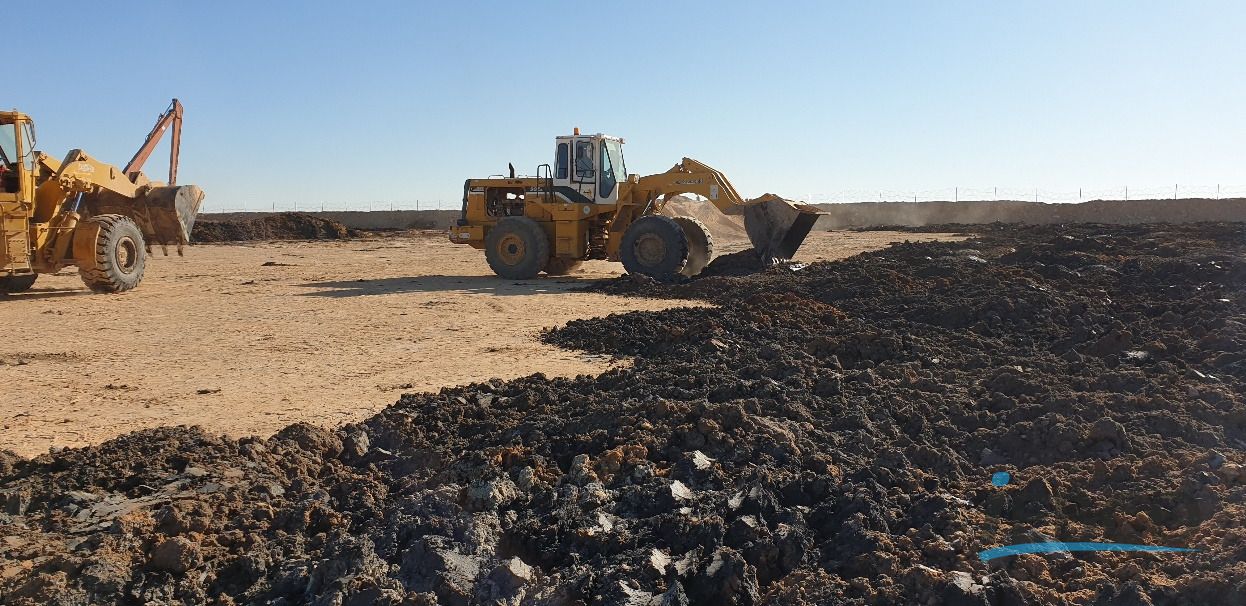
-
Oil Waste Management
Taking charge of a site’s petroleum waste as a whole: identifying the waste streams, reducing volume, and choosing a treatment route for each one.
What usually arrives
- Petroleum waste accumulated on site
- Waste pits
- Waste streams generated by operations
-
Bioremediation
Breaking hydrocarbons down biologically using degrading microorganisms. It is the underlying method most of the remediation work is built on.
What usually arrives
- Hydrocarbon-contaminated soil
- Oily sludge
- Oil-based drilling waste
-
Drilling Waste Treatment
Treatment of drill cuttings and oil-based drilling waste, from lifting the waste out of the pit through biological treatment in place.
What usually arrives
- Drill cuttings
- Oil-based drilling mud
- Drilling waste pits
-
Oily Sludge Treatment
Treatment of oily sludge and recovery of the usable oil fraction from it, before what remains goes to biological treatment.
What usually arrives
- Tank-bottom sludge
- Process sludge from facilities
- Weathered petroleum waste
-
Hydrocarbon-Contaminated Soil Remediation
Remediation of hydrocarbon-contaminated soil. The approach follows the depth of contamination, the TPH level, the hydrocarbon involved and the conditions on site.
What usually arrives
- Contaminated ground across the works area
- Soil around pits and tanks
-
Oil & Water Recovery
Separating and recovering oil and water from the waste stream, so that the volume which has to be treated comes down.
What usually arrives
- Liquid petroleum waste
- Hydrocarbon-contaminated water
-
Environmental Site Restoration
Returning the area once treatment is finished: reworking the ground and establishing vegetation on the restored surface.
What usually arrives
- Treated works area
- Operational land after demobilisation
The method is set per site
Which method is used, and in what order, depends on site conditions, the type and depth of contamination, the volume of waste and the operational constraints. The execution detail is settled after site assessment and sampling.
Start a conversation
Put your site problem to us
The type of contamination, the approximate volume of waste, and initial TPH data where you have it are enough for a first assessment.