
Petroleum waste management · Hydrocarbon remediation
Hydrocarbon contamination, treated on site
IEBCO treats petroleum waste, oily sludge and hydrocarbon-contaminated soil using biological methods — from sampling and site characterisation through field execution, monitoring and land restoration.
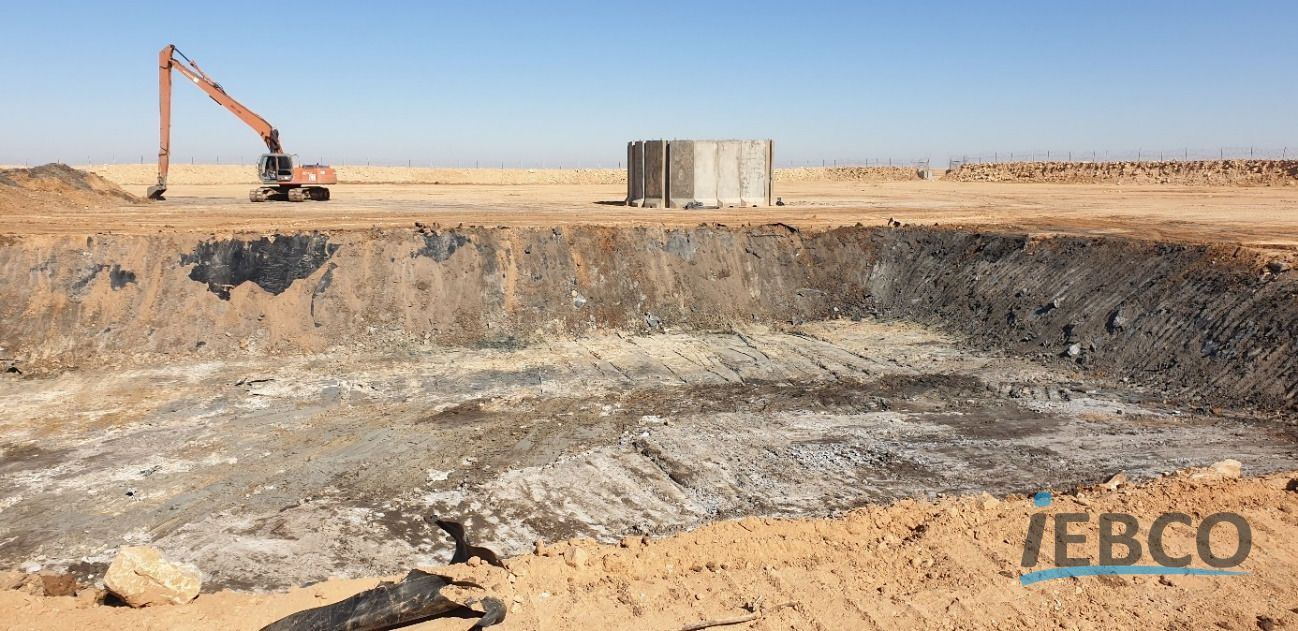
- Contamination
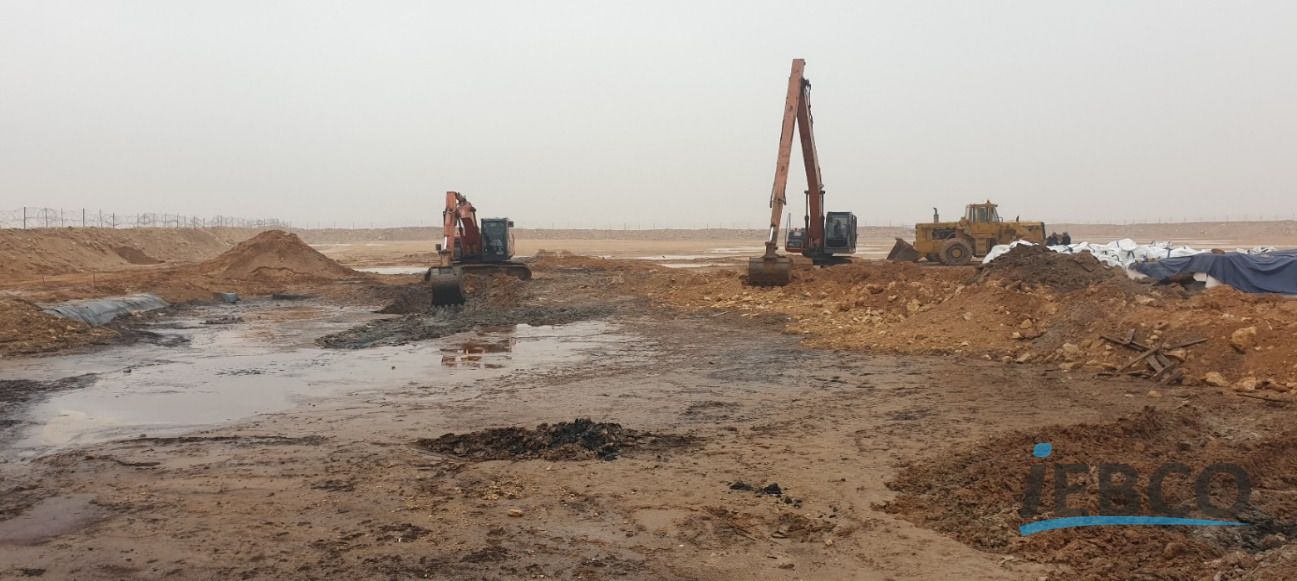
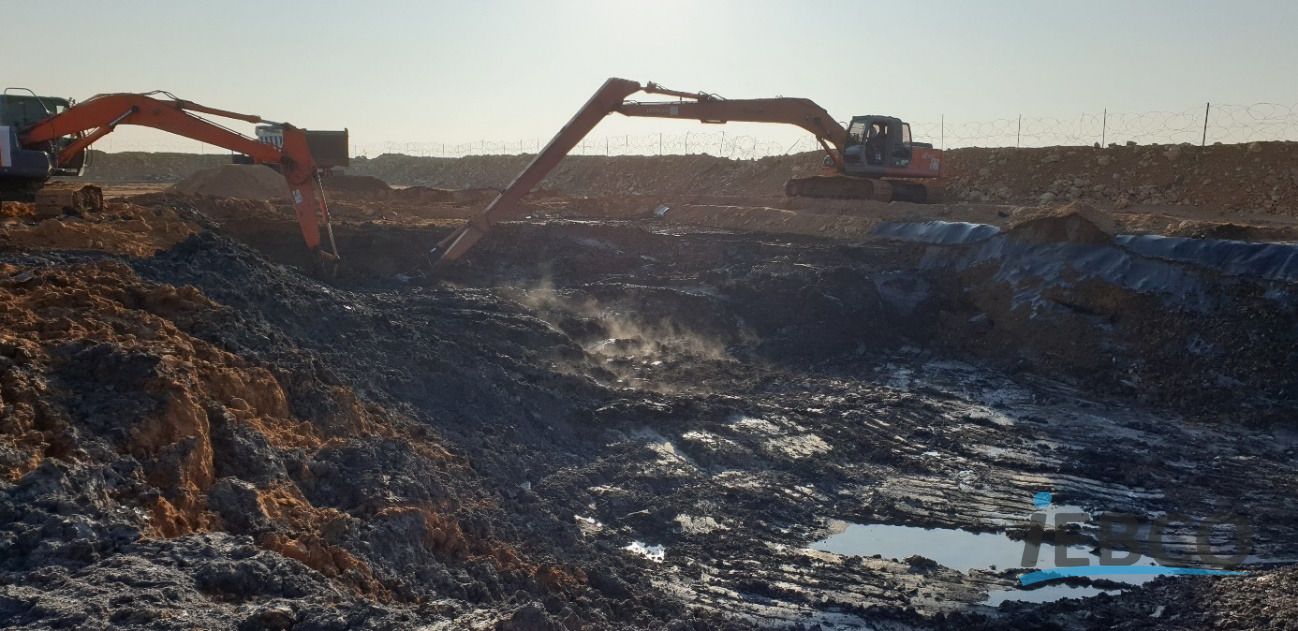
- Excavation
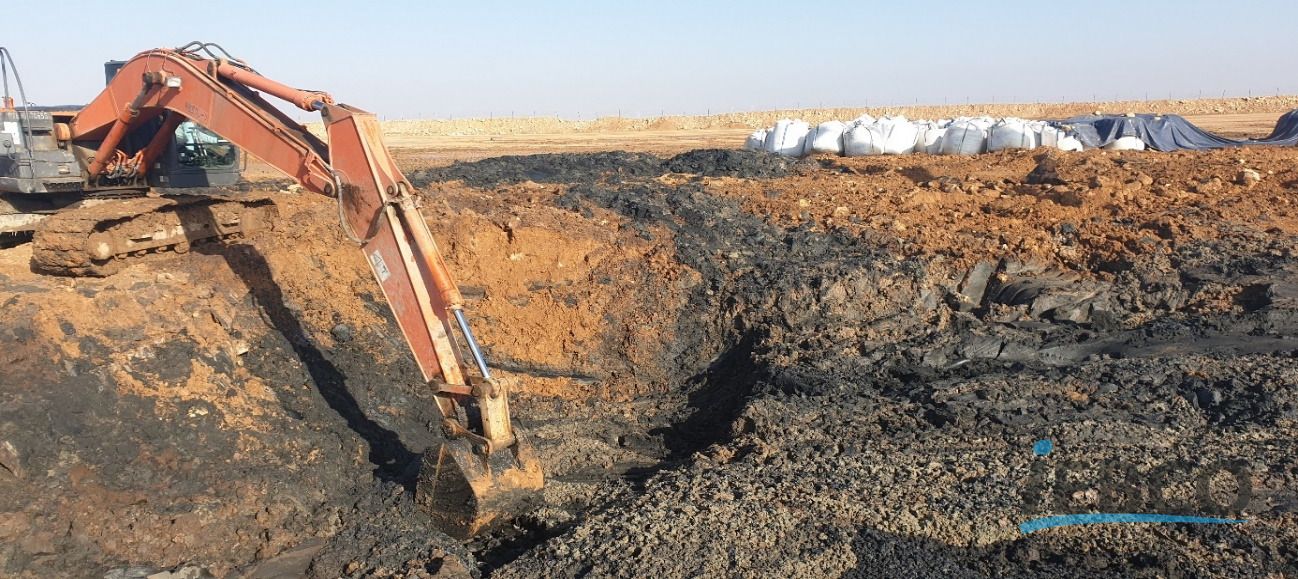
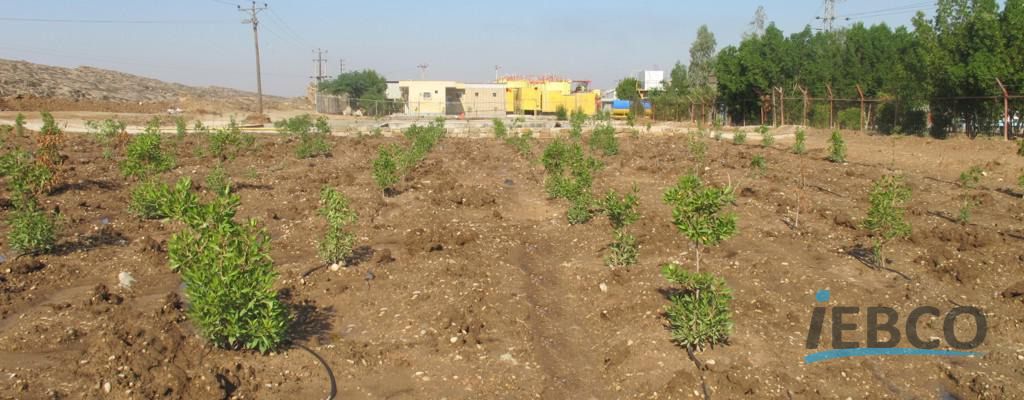
- Biological treatment
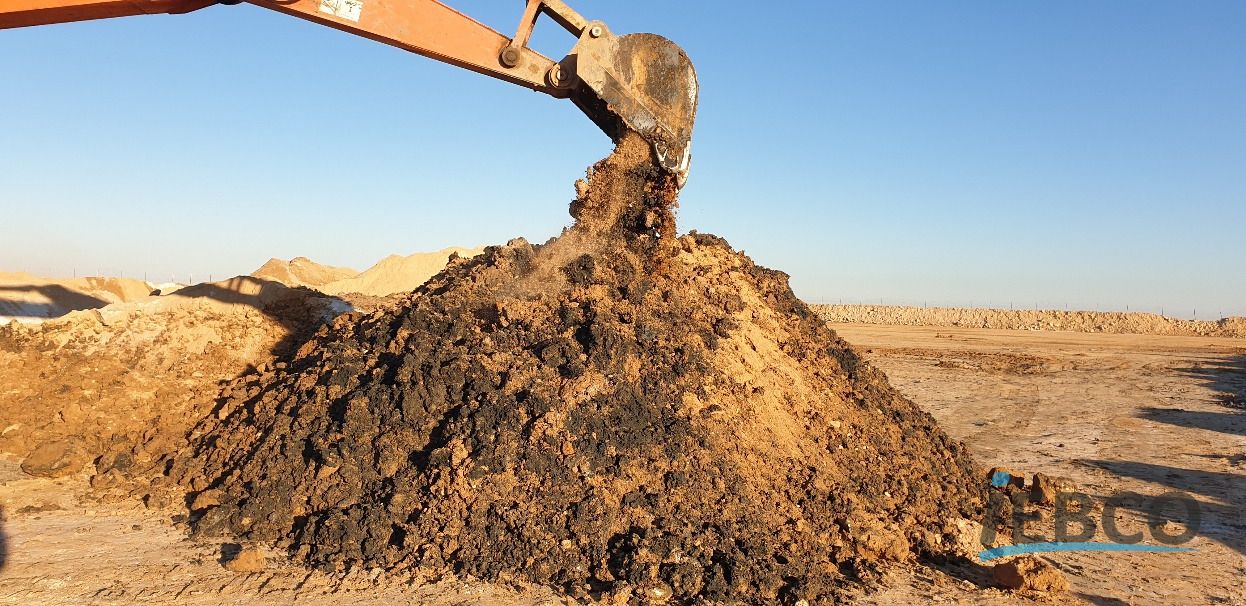
- Restoration
Capabilities
Where we can take the work on
Seven areas in which IEBCO has executed projects. If your problem sits inside them, there is a field method for it.
Project evidence
The conditions we were engaged to treat
These figures come from the initial site assessment at Samawah, Iraq — the state of the contamination when the work was handed over, not the outcome of treatment. They establish the scale of the job.
88,000 mg/kg
TPH, waste pit
195,000 mg/kg
TPH, flare pit
39 m
Pit opening, length
3.5 m
Depth of oily sludge
Method
How the work runs
The sequence is consistent across remediation projects. What changes is the site, the hydrocarbon and how much of it there is.
-
Site assessment
Survey, sampling, and characterisation of contamination and volume.
-
Excavation and handling
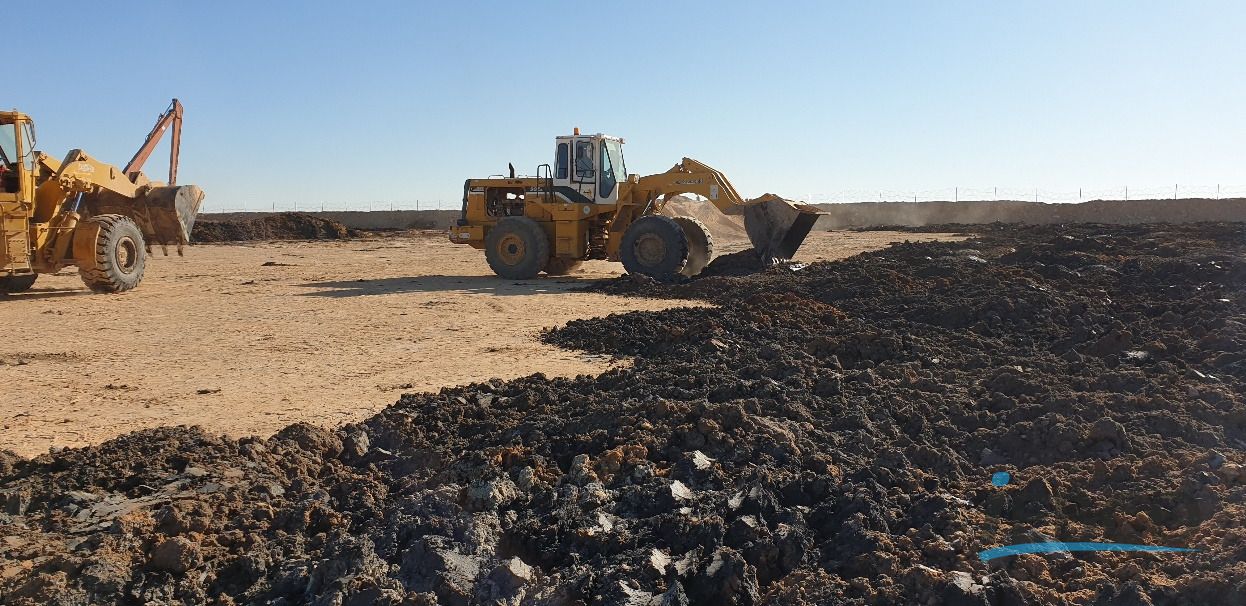
Waste lifted from the pit and moved to a prepared treatment bed.
-
Biological treatment
Hydrocarbons broken down by degrading microorganisms.
-
Monitoring
Periodic sampling to measure how contamination is falling.
-
Land restoration
The site returned to usable condition and vegetation established.
Field execution
The work happens where the waste is
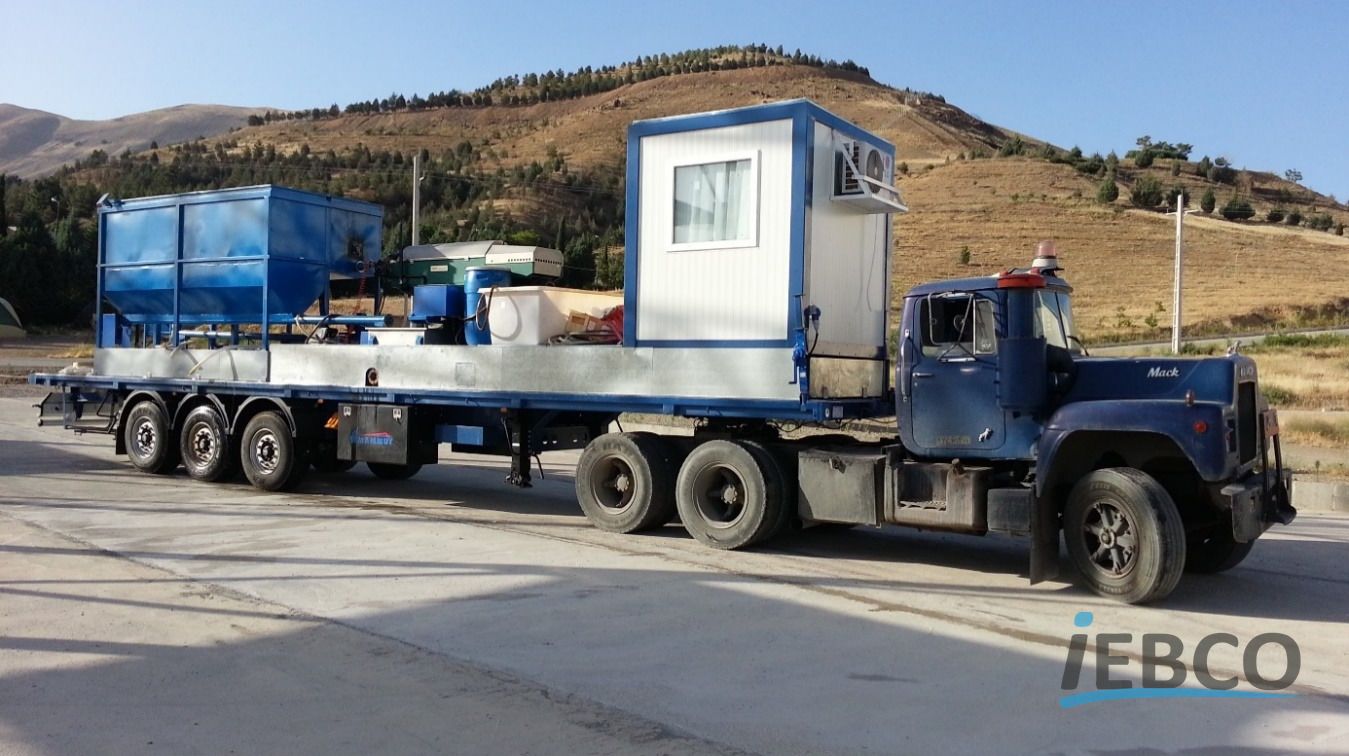
Treatment is carried out on the client’s own site, so petroleum waste does not have to be hauled to another facility. IEBCO brings its Portable Oil Waste Recovery & Bioremediation Package and its own hydrocarbon-degrading microbial product to the job.
- Operations run inside the project site, with no off-site transfer of waste
- Biological treatment of contaminated soil, oily sludge and oil-based drilling waste
- Recovery of reusable oil and water from the waste stream
- Restoration of the land once treatment is complete
Equipment
The process unit and its control cabin are mounted on a trailer and hauled to the site. That is what makes the work possible on locations with no fixed treatment facility of their own.
Featured project
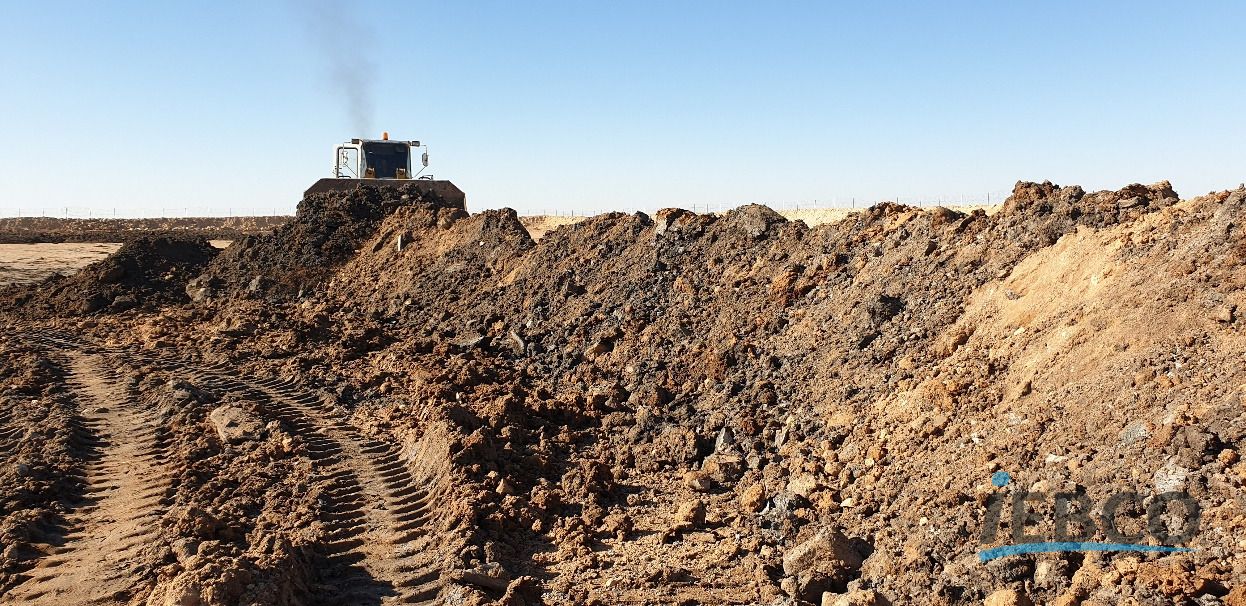
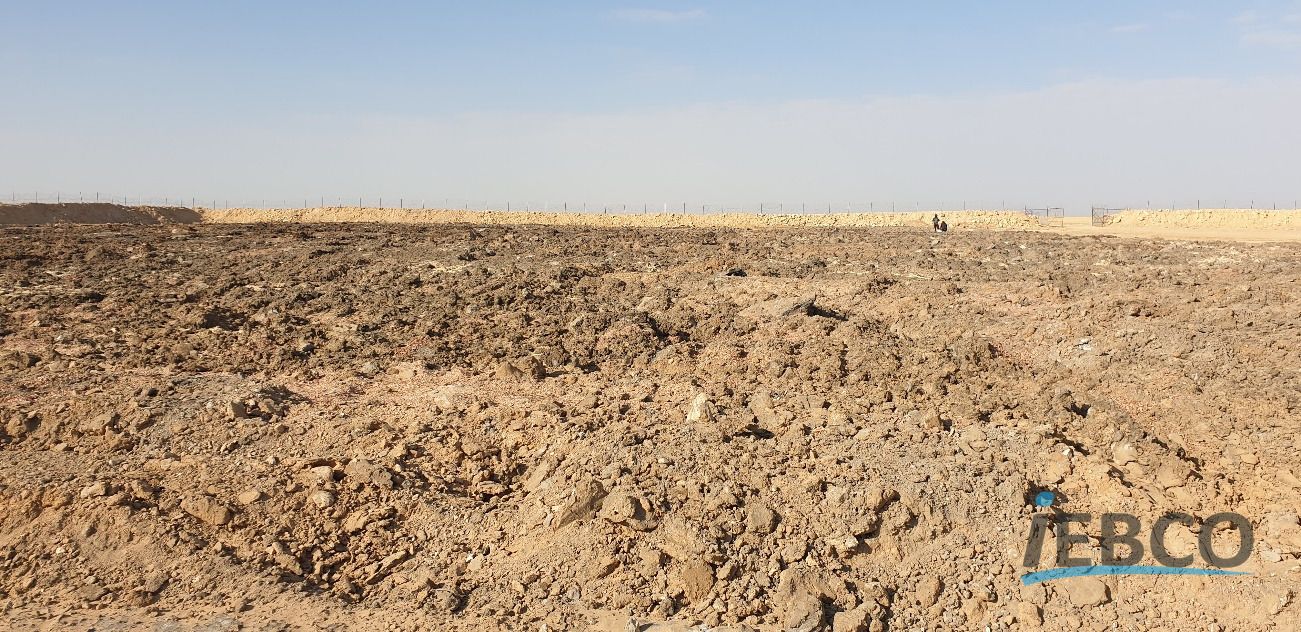
Drilling waste remediation at Samawah, Iraq
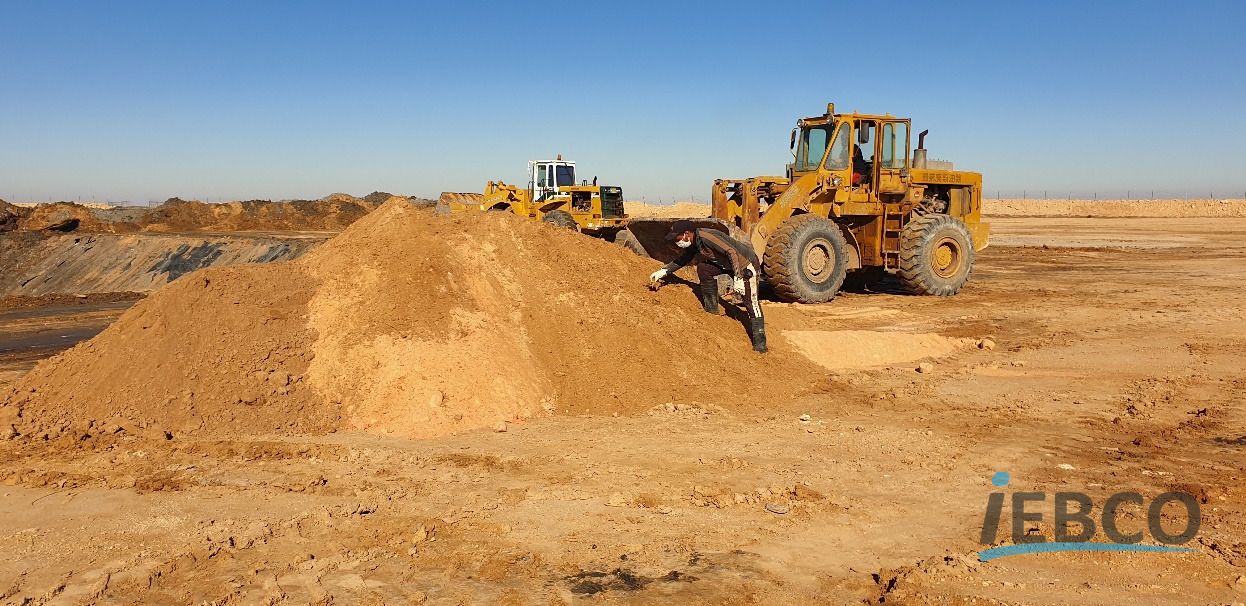
A project in Block 12, Samawah, Iraq, on which IEBCO acted as sub-contractor — supplying the bioremediation agent and providing consulting and monitoring for the operation.
Why IEBCO
What carries the work
-
The biological agent is ours
The hydrocarbon-degrading microbial product is the company’s own, produced for the conditions of the project.
-
Executed in real site conditions
The projects were run on drilling and industrial sites, not at laboratory scale.
-
Measurement-led
Contamination is characterised before work starts and tracked by sampling and analysis as it proceeds.
-
Work beyond Iran
Operations have been carried out outside Iran, including in Iraq.
Start a conversation
Tell us about your site
The type of contamination, the approximate volume of waste, and initial TPH data where you have it are enough for a first assessment.