
Case study · Field project
Oil-based drilling mud plant — waste remediation
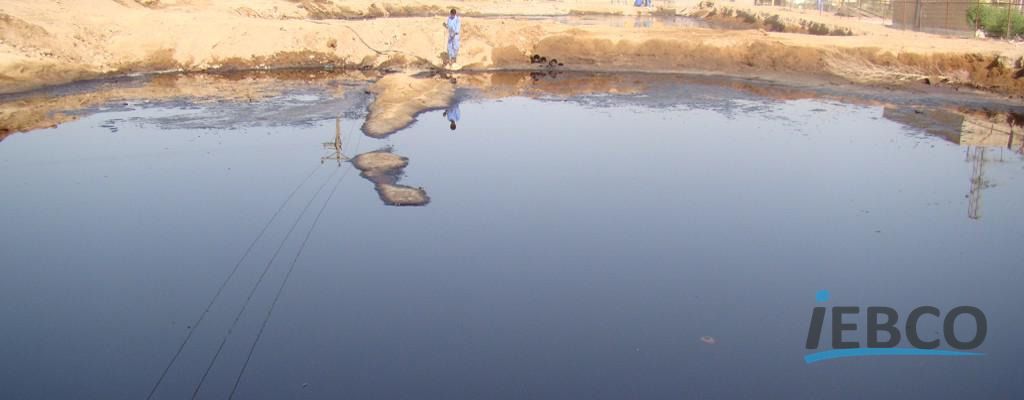
Years of plant operation had left oily mud and contaminated waste accumulated in the pits downstream of the facility. The project took that waste stream through four stages, from recovering the oil fraction to putting vegetation back on the ground.
Contract record
پاکسازی پسماندهای جامد و مایع آلوده به نفت کارخانه گل حفاری پایه روغنی شرکت ملی مناطق نفتخیز جنوب
- Location (as recorded)
- کارخانه گل حفاری پایه روغنی، جنوب شرقی اهواز، کیلومتر 50 جاده اهواز–امیدیه
- Contract period
- 1391
- Status
- Completed
- Project type
- Field project
- IEBCO’s role
- Main contractor
The works on this project were executed jointly by Industrial and Environmental Biotechnology Company and ACECR Applied Sciences Research Institute.
The site problem
The waste stream was not one material. Part of it was recoverable oil, part was hydrocarbon-contaminated wastewater, and part was soil and sludge carrying hydrocarbons.
Each part needed a different treatment route, and the order mattered: until the recoverable oil fraction is separated out, biological treatment is being asked to work on a far larger volume than it has to.
Method
Four stages, in this order
The sequence starts by taking load off the waste stream and finishes by handing the ground back.
-
Oil recovery
Separating and recovering the usable oil fraction from the waste stream.
-
Wastewater bioremediation
Biological treatment of the hydrocarbon-contaminated water.
-
Solid-waste bioremediation
Biological breakdown of the hydrocarbons held in the contaminated soil and sludge.
-
Phytoremediation and restoration
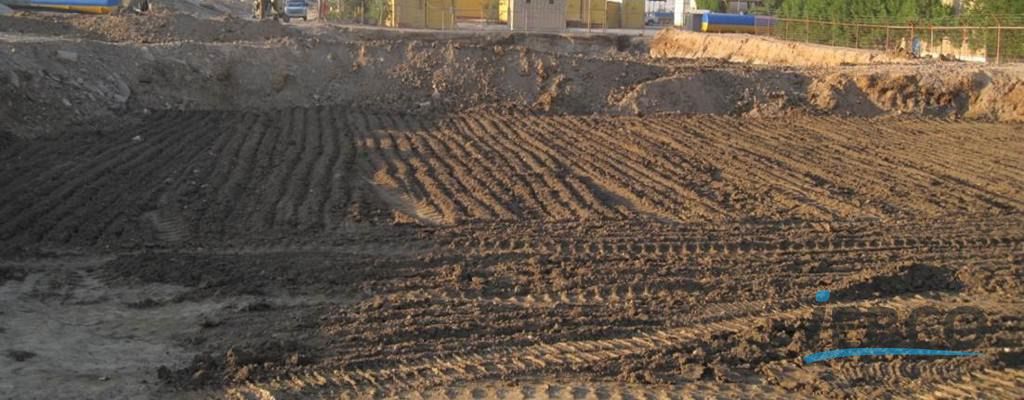
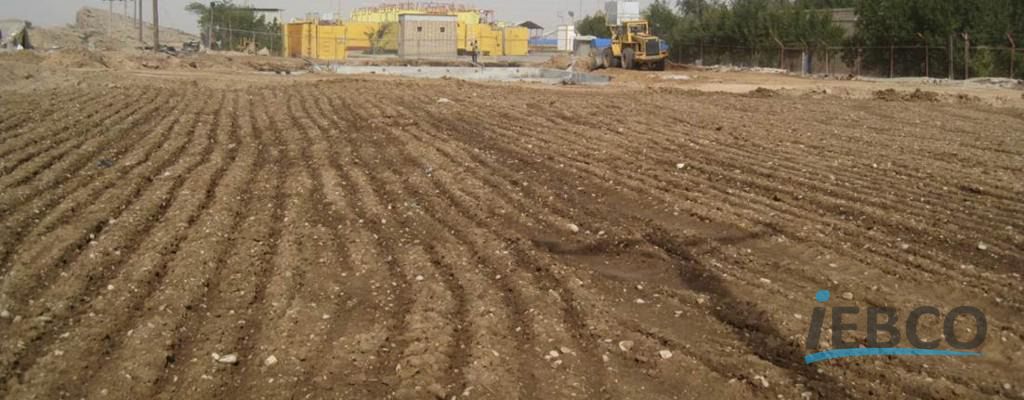
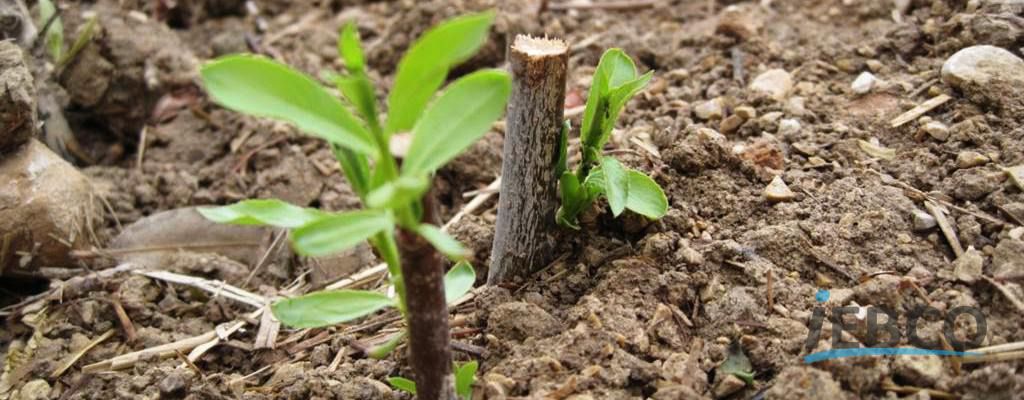
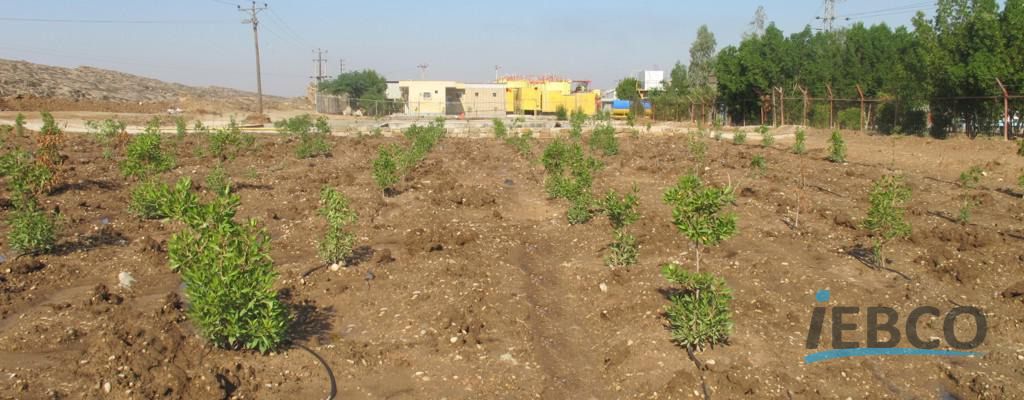
Ground preparation, planting, and establishing vegetation across the restored area.
Execution
From open pit to planted ground
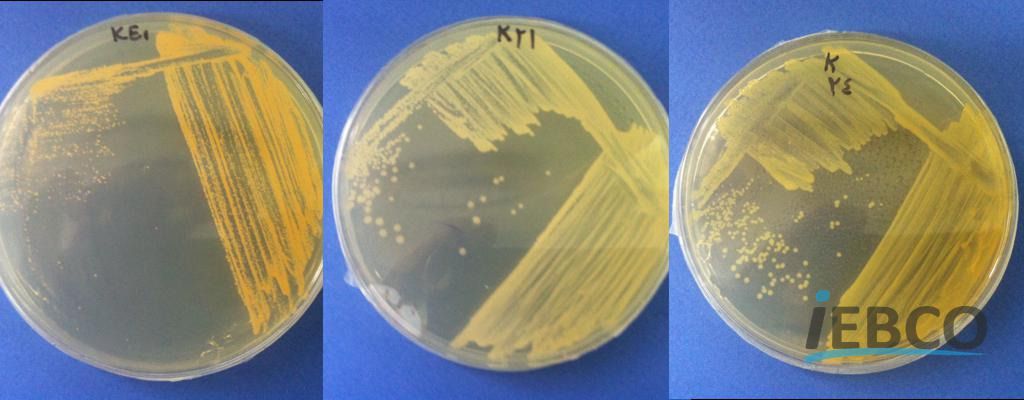
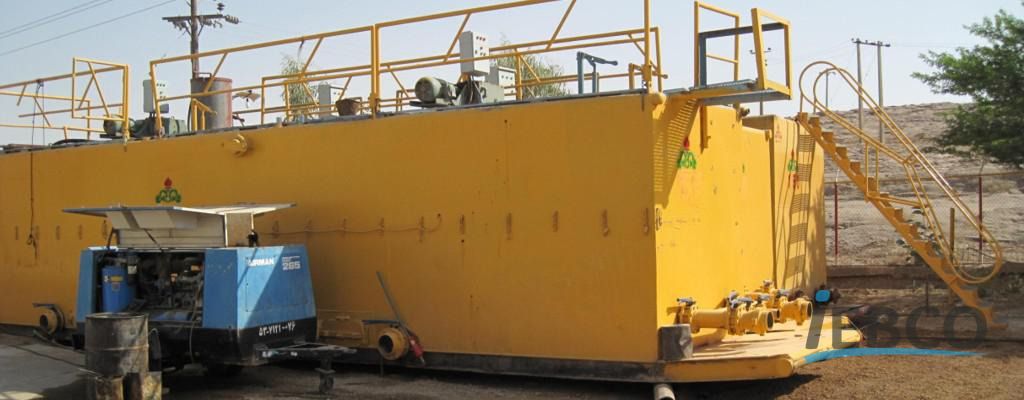
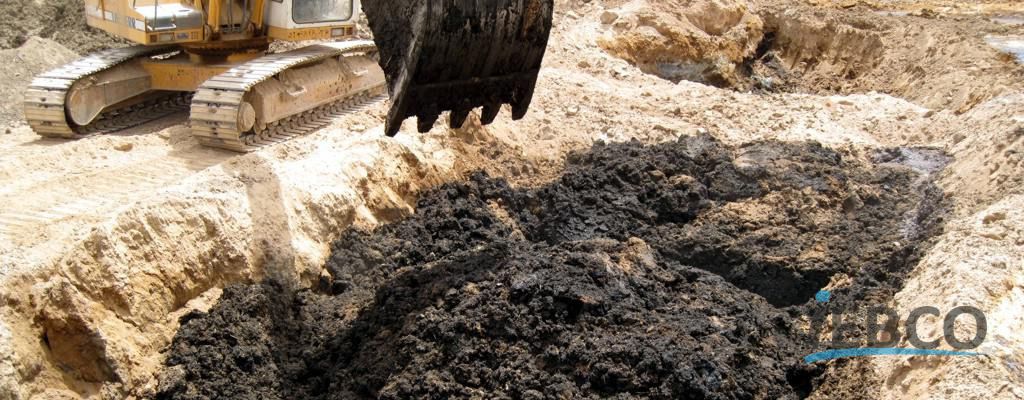
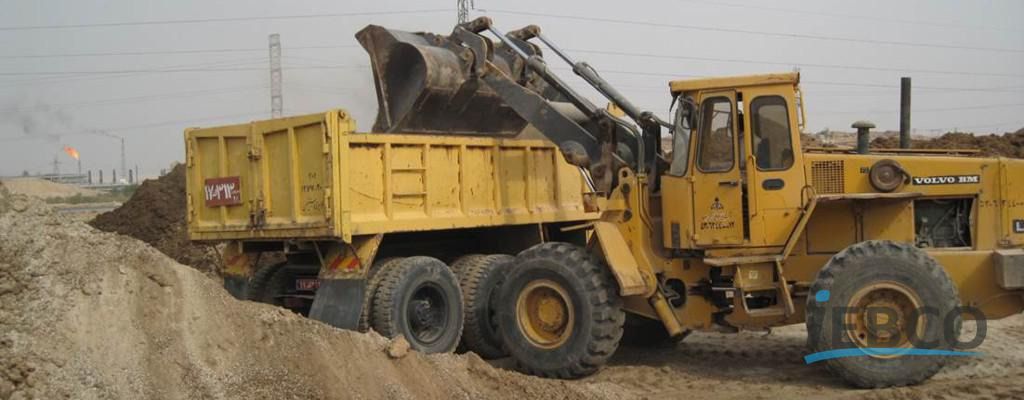
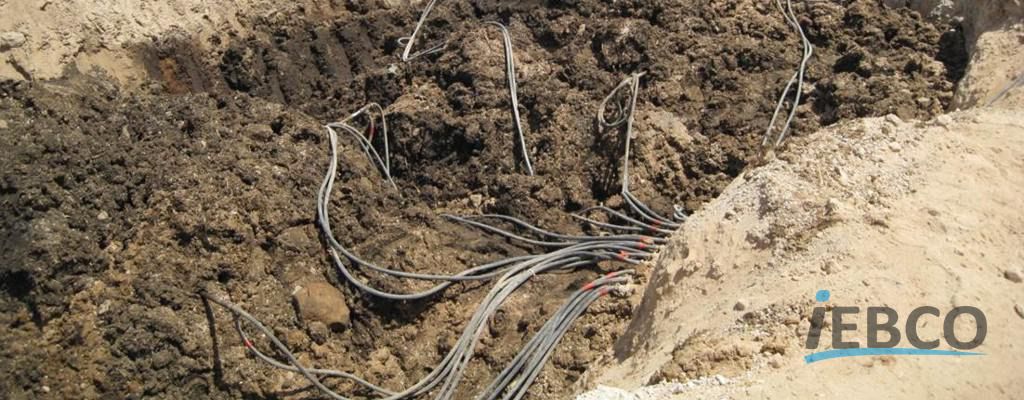
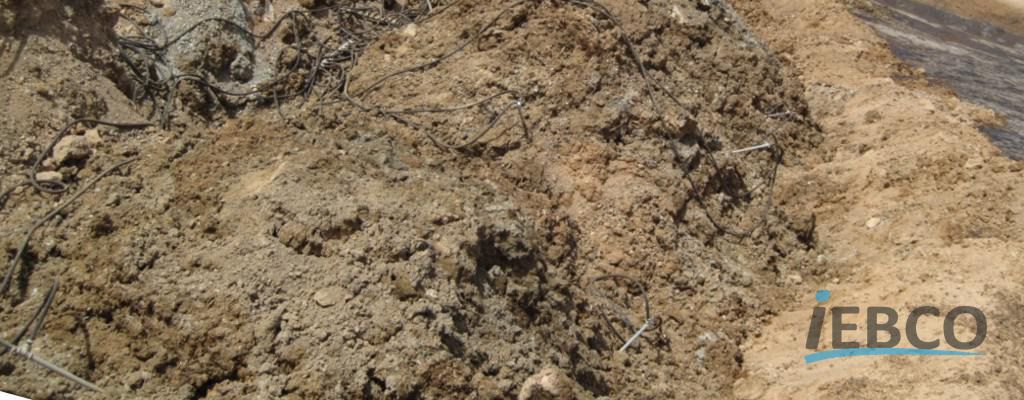
These photographs come from this project’s own archive and follow the order of the work. Each caption describes what is visible in the frame.
Measured results
What was recorded at the end of the project
These figures are this project’s results and belong to its joint execution. They are not IEBCO’s general performance — which is why both executing organisations are named under every one of them.
727 bbl
Clean oil recovered
3,065 bbl
Hydrocarbon-contaminated wastewater treated
more than 14,000 m³
Contaminated soil and sludge remediated
188 saplings
Saplings planted
about 2,700 m²
Green area established
Project parties
- Client
- National Iranian South Oil Company
- Main contractor
- Industrial and Environmental Biotechnology Company
- Research partner
- ACECR Applied Sciences Research Institute
The works on this project were executed jointly by Industrial and Environmental Biotechnology Company and ACECR Applied Sciences Research Institute.
Start a conversation
Put your site problem to us
The type of contamination, the approximate volume of waste, and initial TPH data where you have it are enough for a first assessment.